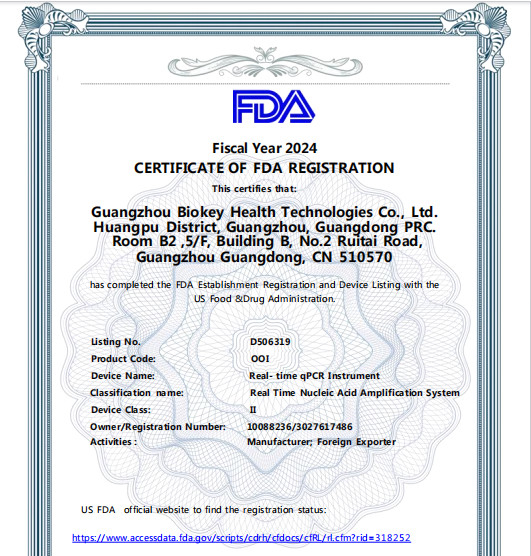
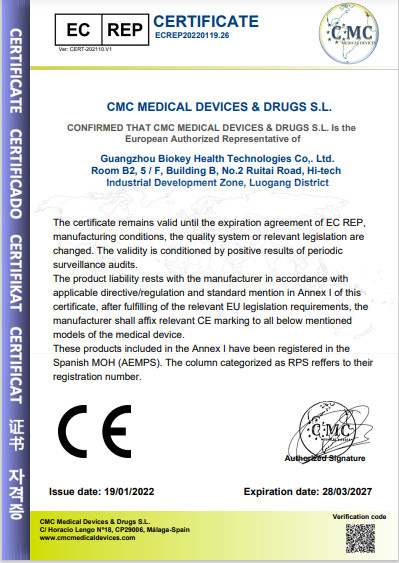
Разочарованы громоздкими протоколами ПЦР, ограничены драгоценными количествами образцов?Научное сообщество в настоящее время использует технологию мультиплексной ПЦР в режиме реального времени. Это прорыв, который устраняет неэффективность традиционной ПЦР и обеспечивает беспрецедентную экспериментальную производительность..
Молекулярная копировальная машина: от мРНК до ампликонов
По своей сути, полимеразная цепная реакция (ПЦР) служит фотокопировальным аппаратом биологии, экспоненциально усиливая последовательности целевой ДНК в течение нескольких часов.Процесс обычно начинается с экстракции мРНК из биологических образцов, за которой следует обратная транскрипция в более стабильную комплементарную ДНК (cDNA). Эта cDNA затем становится шаблоном для амплификации PCR через три циклических шага:
-
Денатурация:Высокотемпературное (90°C+) отделение двойных спиралей ДНК
-
Отжигание:Снижение температуры (50-60°C), позволяющее связывать праймер
-
Расширение:Умеренное нагревание (70°C - 78°C) для синтеза ДНК с помощью полимеразы
Традиционная ПЦР использует гелевой электрофорез для анализа конечных точек, тогда как ее продвинутый преемник ПЦР в режиме реального времени внедряет непрерывный мониторинг флуоресценции во время усиления.
Количественный прорыв: динамика ПЦР в реальном времени
ПЦР в режиме реального времени (qRT-PCR) произвел революцию в анализе нуклеиновых кислот, позволив как амплификацию, так и одновременное количественное определение с помощью флуоресцентного обнаружения.
-
Красители интеркалирующие(например, SYBR Green), которые флуорессуют при связке с двойной нитью ДНК
-
Специфические для последовательности зондыс системами фторфорогасителя, которые активируются при гибридизации цели
Эта технология стала незаменимой для исследований патогенеза микробов и фундаментальных исследований микробиологии.обеспечивая либо абсолютную количественную оценку (молекулярные копии), либо относительные измерения по отношению к эталонным генам;.
Мультиплексная ПЦР: параллельная обработка для молекулярного анализа
Мультиплексная ПЦР представляет собой эволюционный скачок, позволяющий одновременное усиление нескольких целей с помощью тщательно разработанных наборов праймеров.
- Сохранение редких образцов
- Снижение потребления реагента
- Ускоренные сроки проведения экспериментов
- Упрощенная интерпретация данных
Однако эта техника требует тщательной оптимизации условий реакции для обеспечения равной эффективности усиления для всех целей.и состав буфера.
Пикас: ПЦР в реальном времени.
Интегрируя параллельную обработку мультиплексной ПЦР с возможностями квантования ПЦР в режиме реального времени, исследователи получают непревзойденный инструмент для высокопроизводительного геномического анализа.Объединенные технологии:
- Определение множественных целей
- Кинетический мониторинг в реальном времени
- Точные количественные измерения
Технические препятствия остаются, особенно в спектральном перекрытии между флуоресцентными репортерами.позволяет точно количественно определить до десятков целей на реакцию.
Применение в различных биологических дисциплинах
С момента своего создания в 1988 году мультиплексная ПЦР преобразовала множество областей:
-
ГенотипированиеПараллельный анализ СНП и микроспутников
-
Выявление патогена:Комплексный микробиологический скрининг
-
Идентификация ГМО:Испытания сельскохозяйственной и пищевой безопасности
-
Профилирование мутаций:Анализ вариации генома
-
Исследования выражения:Количественное определение транскриптома
Основы оптимизации
Успешная реализация требует тщательного внимания к пяти важнейшим параметрам:
-
Конструкция закладки:Сбалансированные значения Tm, минимизированные вторичные структуры
-
Выбор зонды:Флюорофоры, не перекрывающиеся друг с другом, с соответствующими гасителями
-
Энзимные системы:Полимеразы высокой точности с оптимизированными буферами
-
Тепловой цикл:Специализированные параметры отжига/расширения
-
Состав реакции:Сбалансированные концентрации праймера/пробы
Будущие горизонты
Процесс развития технологии указывает на расширение клинической диагностики (включая профилирование устойчивости к противомикробным препаратам), улучшение протоколов безопасности пищевых продуктов и передовые системы мониторинга окружающей среды.Поскольку барьеры оптимизации снижаются с помощью вычислительных инструментов проектирования и улучшенных систем реагентов, мультиплексная ПЦР в режиме реального времени готова стать золотым стандартом для высокоэффективного молекулярного анализа.


 Ваше сообщение должно содержать от 20 до 3000 символов!
 Russian